Leading Beyond the Role: How Purpose Expands Influence at Every Level

Mountain,Ridge,+,A,Luminous,Bridge/path,Connecting,People,At,Different

Leadership isn’t a title. It’s a choice—made in the moments where you decide to act with intention, not just react to circumstances.

If you’ve ever thought, “I’ll have more influence when I’m promoted,” this is your reminder: influence doesn’t start with authority. It starts with purpose.

In IronMind terms, purpose is the internal compass that helps you lead with clarity, courage, and consistency—no matter where you sit on the org chart.

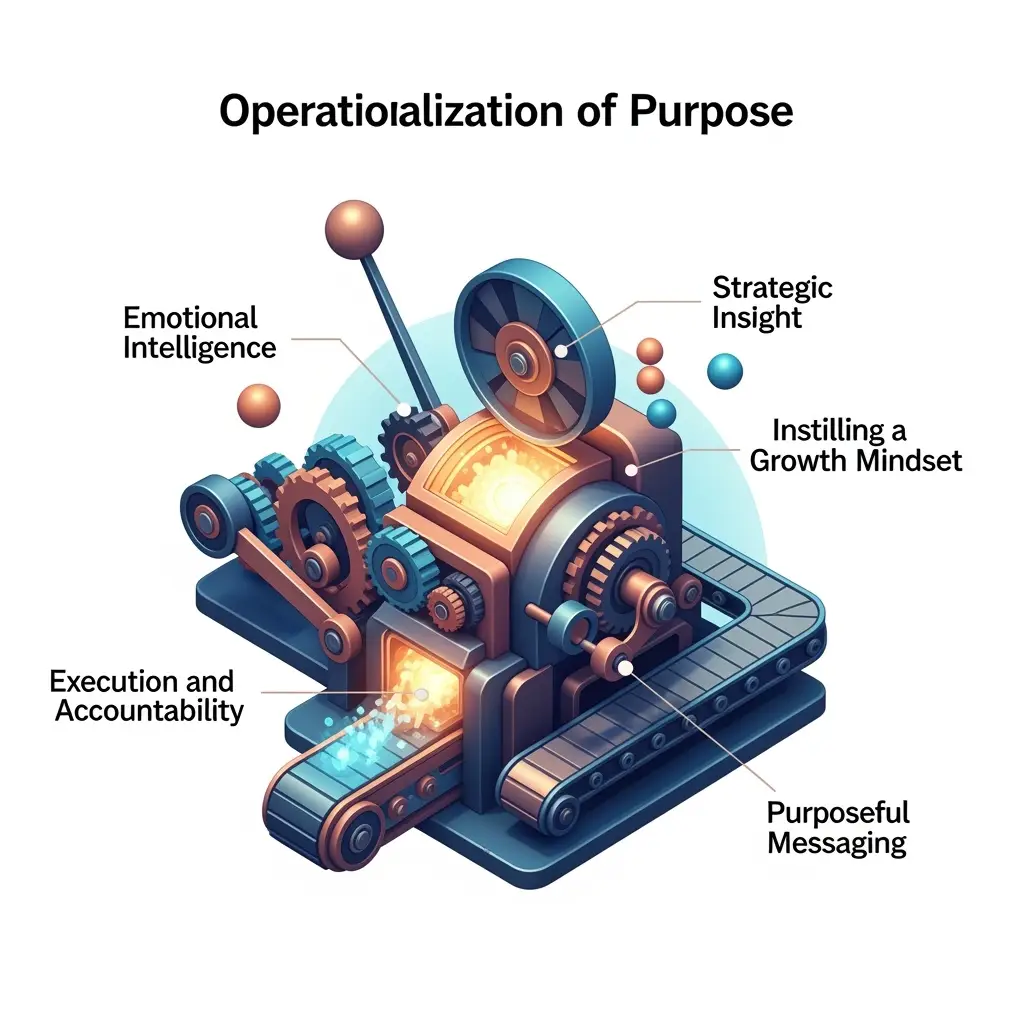
From Intention to Influence: How Purposeful Messaging Creates Real Impact

mountains in the background, compass in the foreground with sun light being shone on the compass to provide direction.

Purpose does not create impact simply because it exists. It creates impact when leaders communicate it clearly, consistently, and credibly. Teams do not align around vague intention. They align around messages they can understand, trust, and apply.

This is why Purposeful Messaging is such a critical leadership competency. It helps leaders translate values into language, stories, and standards that people can remember and act on. As John C. Maxwell said, “People buy into the leader before they buy into the vision.” Credibility shapes whether purpose lands at all.

The Neuroscience of Meaningful Leadership: Why Purpose Fuels Performance

Purpose is often described as inspiration. In practice, it is much more than that. Purpose gives leaders a stable internal compass when demands compete, pressure rises, and decisions carry real consequences. It helps people make sense of effort, stay connected to what matters, and continue moving forward with intention.

As Friedrich Nietzsche wrote, “He who has a why to live can bear almost any how.” In leadership, that insight still holds. Meaning strengthens clarity, commitment, and performance under pressure.

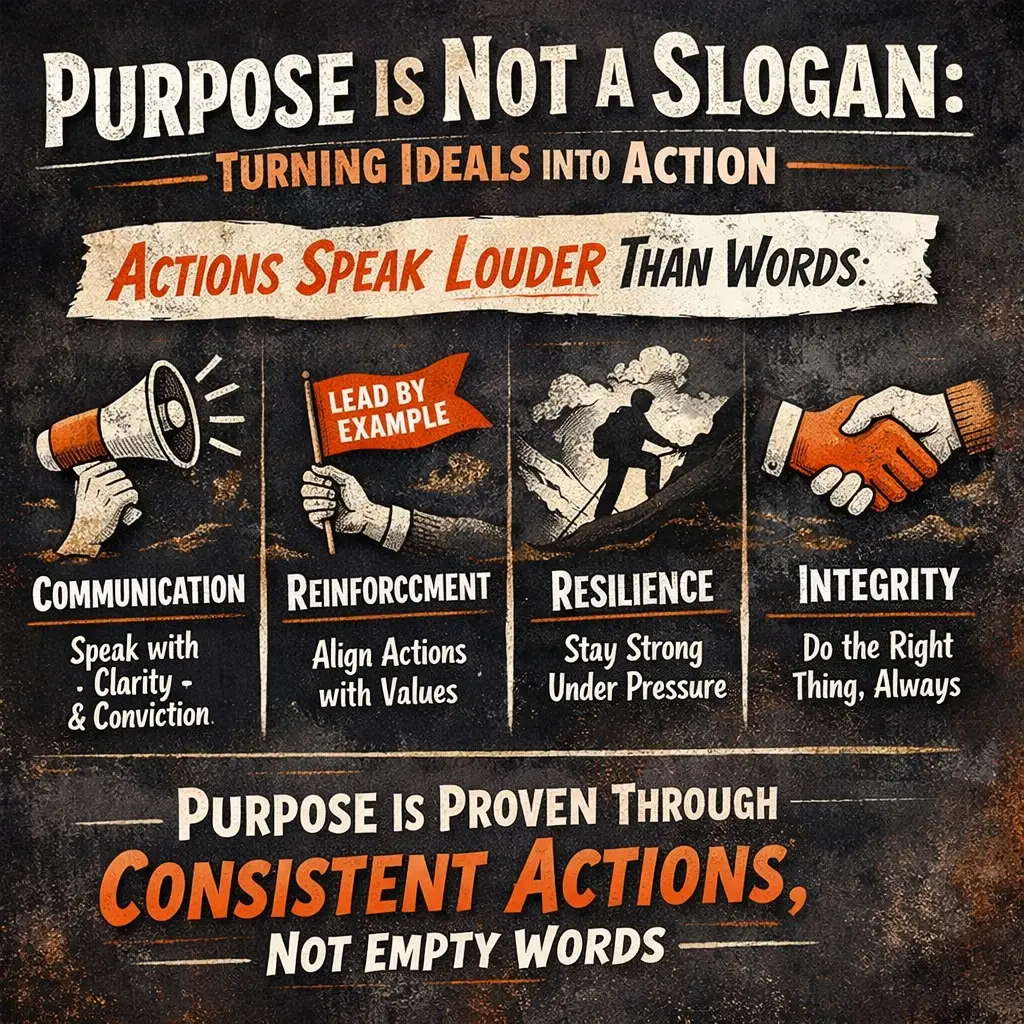
Purpose Is Not a Slogan: How Leaders Turn Values Into Daily Action

Purpose is easy to admire when it is framed well, printed beautifully, and repeated often. It is much harder to live.

In many organizations, purpose is treated like a positioning statement: something designed to inspire, unify, or differentiate. But leadership exposes whether purpose is truly operational or merely aspirational. Teams do not judge purpose by the elegance of its language. They judge it by the consistency of leadership behavior.

The New Resilience Advantage: Why Adaptability Is a Leadership Differentiator in 2026

n 2026, disruption is not a passing phase. It is the leadership environment. AI is reshaping roles, hybrid work continues to test connection and accountability, economic pressure is forcing faster decisions, and employee expectations are shifting in real time. In this climate, resilience is no longer just a personal strength. It is a business capability that helps leaders and organizations respond faster, recover better, and grow through disruption.

Resilience in Strategic Uncertainty

Resilience & Strategic Uncertainty

Strategic uncertainty has a way of testing leaders in the most human places: patience, clarity, and confidence. One week the path feels obvious; the next, it’s fog, friction, and competing priorities.

With St. Patrick’s Day around the corner, here’s a light-touch reminder worth borrowing: you don’t need a four-leaf clover to lead well through uncertainty—you need a repeatable way to steady yourself, align your people, and keep moving.

Strategic Vision: Know Your North Star

Person looking up at the north star at night

Strategy isn’t a slide deck—it’s a discipline. And for leaders, it starts with a simple question: What are we actually aiming at? Your North Star is the clearest expression of that aim: the purpose, outcomes, and values that guide decisions when the path gets messy.

In March, as we lean into strategic thinking, this is your reminder: before you optimize, you must orient.

The Art of Influence — Building Relationships That Drive Results

Art of Influence, hand holding magnet

Influence isn’t a title. It’s a relationship skill.

In today’s fast-moving, high-stakes workplaces, the leaders who drive results aren’t always the loudest voice in the room—they’re the ones who can read the room, regulate their own reactions, and build trust quickly enough to move people from hesitation to commitment.

That’s why Emotional Intelligence (EQ) is the foundation of influence and persuasion. When EQ is strong, relationship management becomes less about “winning” and more about creating the conditions where people want to move with you.

The Mirror Within: Why Self-Awareness is the First Step to EQ Mastery

Multiple Mirrors..

Most leaders don’t struggle because they lack skill. They struggle because they don’t see themselves clearly in the moments that matter.

That’s the quiet power of self-awareness: it’s the internal mirror that shows you what’s really happening—before your emotions hijack the room, before your tone lands wrong, before you make a decision you have to clean up later.

And neuroscience backs it up: self-awareness isn’t a “soft skill.” It’s the foundation your brain needs to build emotional intelligence that actually holds under pressure.

The 90-Day Reset – Building Momentum, One Step at a Time

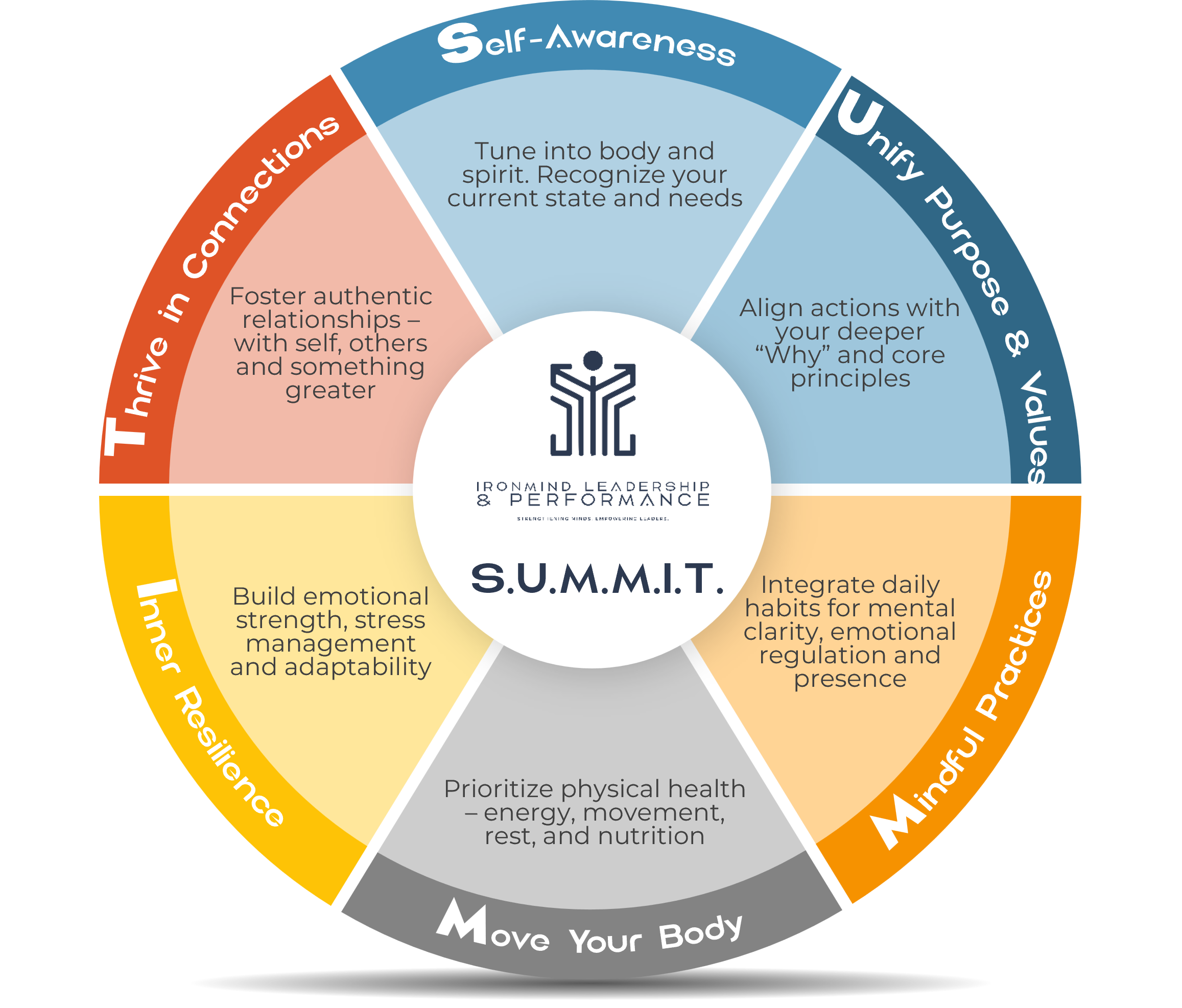
SUMMIT Framework

Ever feel like you’re running in place, repeating the same patterns? A 90-day reset is your opportunity to break the cycle and build real momentum. Neuroscience research shows that it takes consistent action—about 90 days—to rewire neural pathways and make new habits automatic. It’s not about perfection, but about progress.