Can Your Team Disagree Without Coming Apart?

a leader contemplates their next move as teams debate an outcome over a round of tug-of-war

Two capable people disagree about a decision.

One sees a deadline the team cannot afford to miss. The other sees a risk the team cannot afford to ignore. Both care about the outcome. Neither feels heard.

Soon, the discussion shifts. People stop testing the idea and start questioning one another’s judgment. Others fall quiet. The meeting ends with a decision, but the tension follows everyone out of the room.

The Credibility of “I Don’t Know Yet”

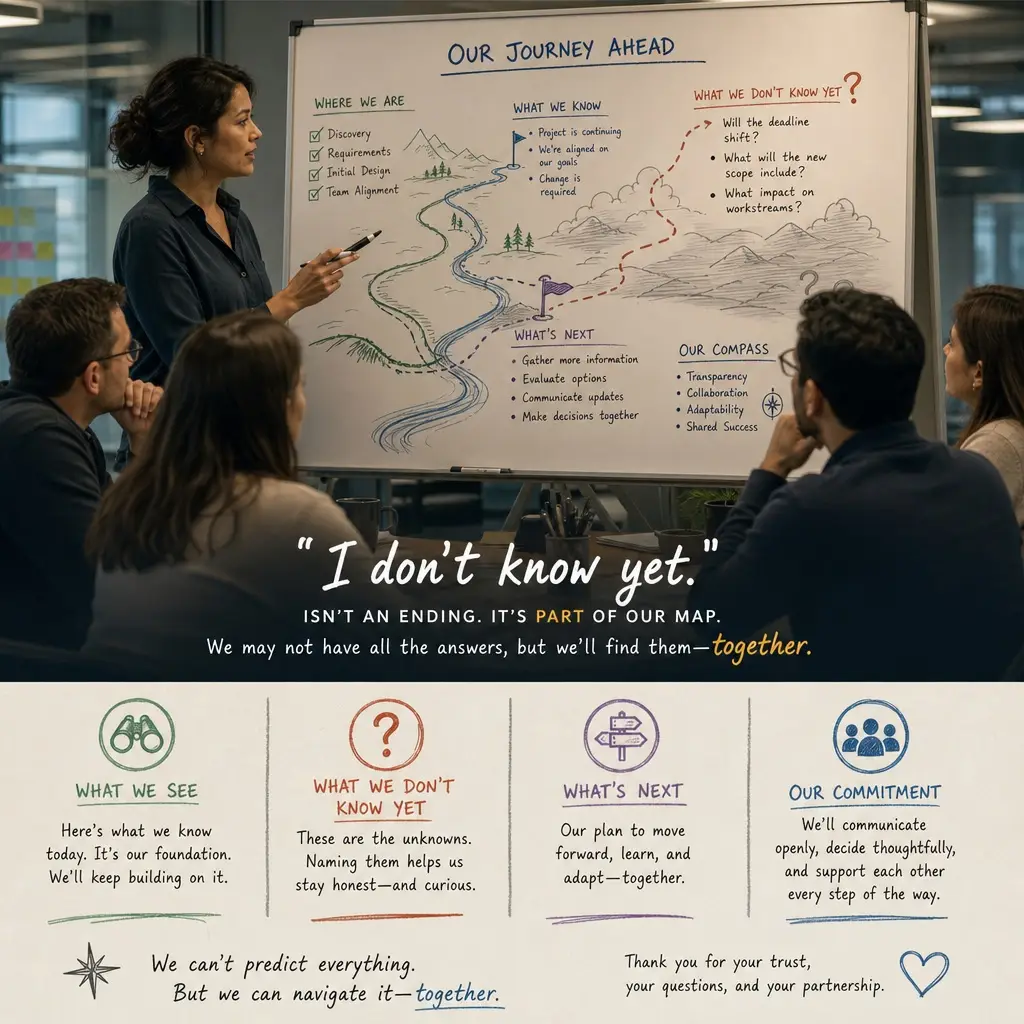
Talking through times of uncertainty using a whiteboard and markers and pictures.

Your team wants an answer.

Will the project continue? Is the deadline changing? What does the new direction mean for their work?

You have some information, but the decision is not final. So you face a familiar leadership dilemma: speak with confidence you cannot justify, or admit that you do not know yet.

There is a third responsibility: give people an honest account of what is uncertain and a clear path through it.

“I don’t know yet” can be a credible answer. It cannot be the entire answer.

The New Resilience Advantage: Why Adaptability Is a Leadership Differentiator in 2026

n 2026, disruption is not a passing phase. It is the leadership environment. AI is reshaping roles, hybrid work continues to test connection and accountability, economic pressure is forcing faster decisions, and employee expectations are shifting in real time. In this climate, resilience is no longer just a personal strength. It is a business capability that helps leaders and organizations respond faster, recover better, and grow through disruption.

Change-Ready Teams Start With Change-Ready Leaders

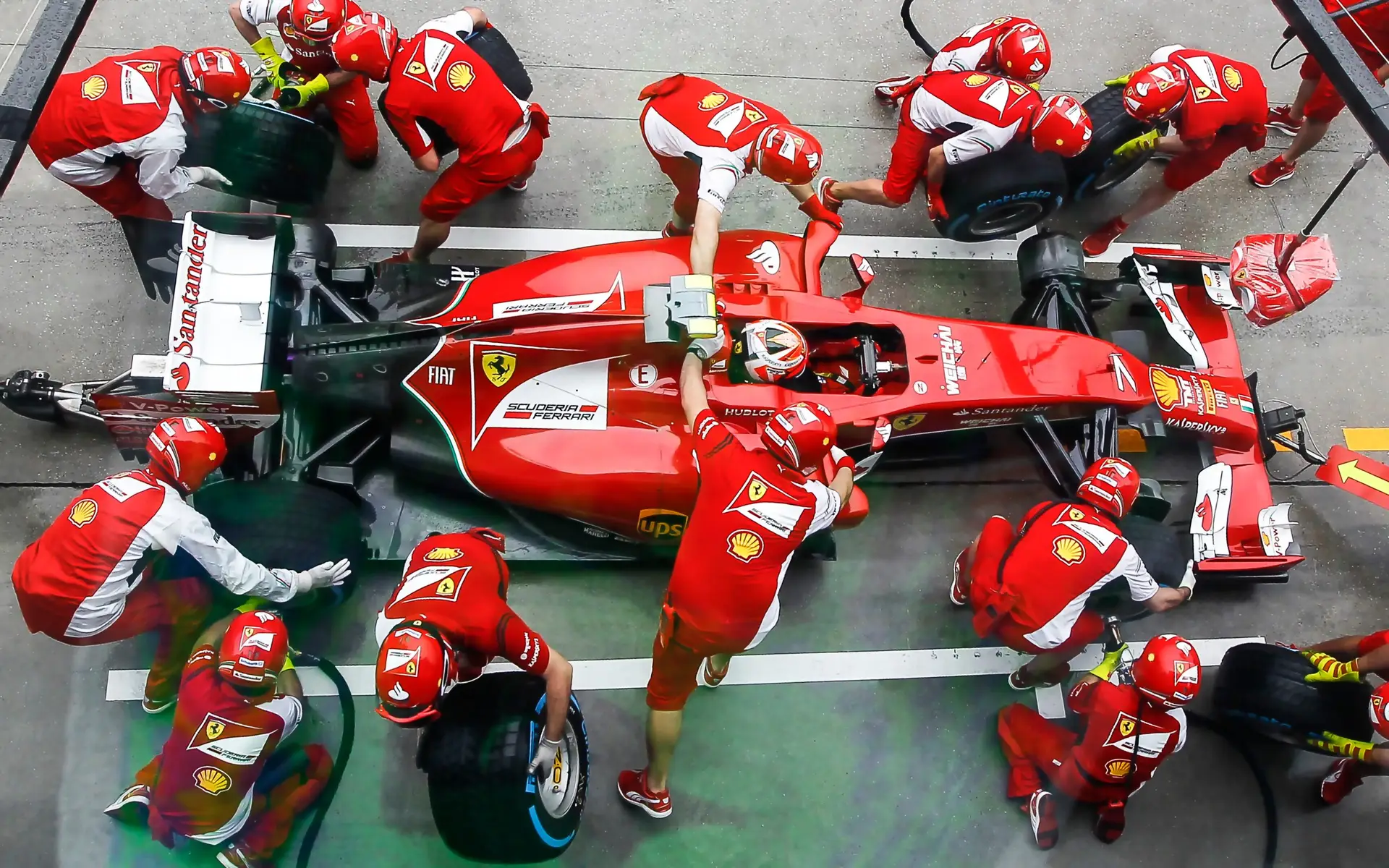
People working on a F1 Race car in a pit stop.

Change does not fail because leaders forgot to send the memo. It fails because people experience uncertainty faster than they absorb strategy.

Organizations often invest heavily in change plans, communication cascades, and rollout tools. Those matter. But teams do not become resilient because change is well announced. They become resilient when leaders shape how change feels day to day—through their presence, behaviour, and decisions.

If a leader becomes reactive, vague, or overly controlling under pressure, the team feels it immediately. If a leader models steadiness, empathy, accountability, and adaptability, the team feels that too. Change-ready teams start with change-ready leaders.

The Cycle of Opportunity: Mastering Change Management Through Strategic Leadership

Man in kayak in rapids

Change doesn’t knock politely at your organization’s door—it storms in, often uninvited and always demanding attention. Yet within this disruption lies extraordinary opportunity for growth, innovation, and transformation. The question isn’t whether change will arrive, but whether your organization is prepared to embrace it as a catalyst for excellence.

Leading Through the Storm: A Guide to Thriving in Times of Uncertainty

woman jumped from the cliff

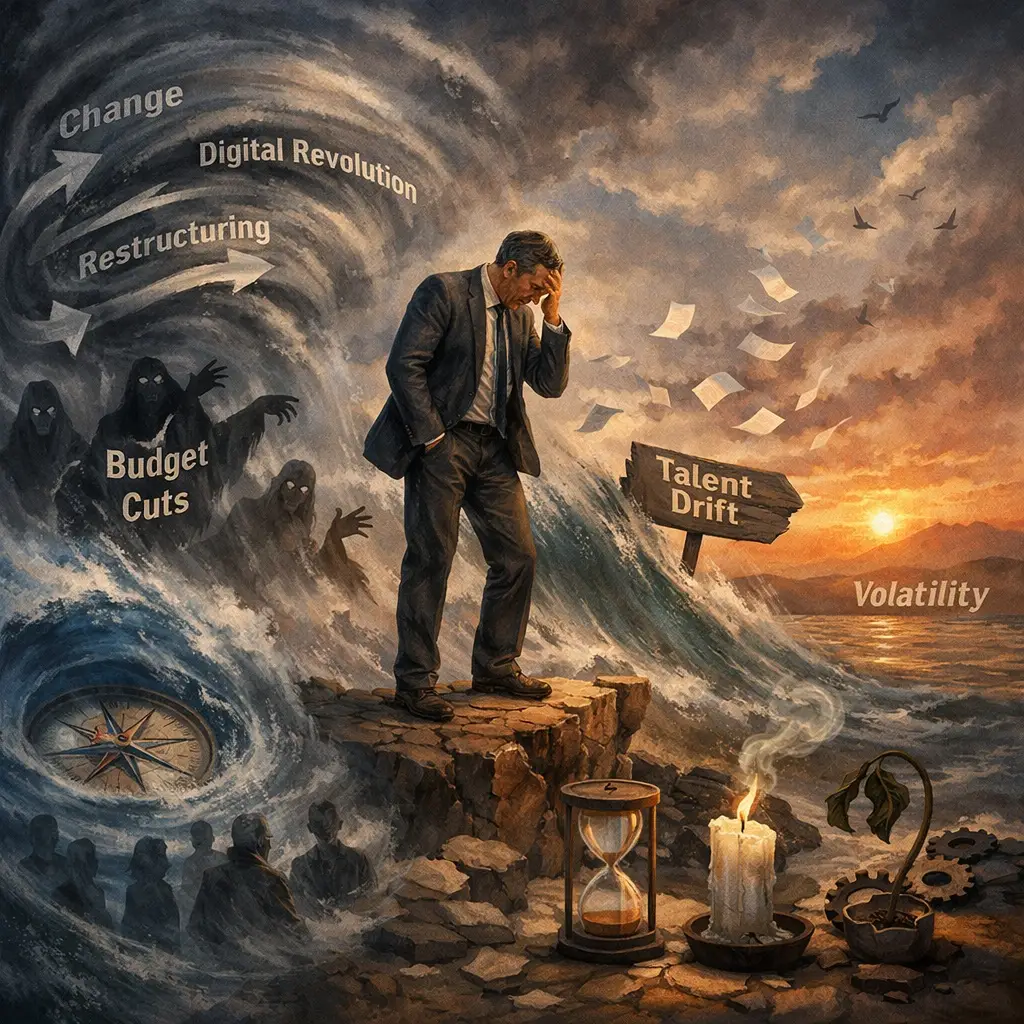
In today’s rapidly evolving business landscape, uncertainty has become the only constant. Economic volatility, technological disruption, organizational restructuring, and global challenges create a perfect storm of ambiguity that can paralyze even the most seasoned leaders. Yet, it’s precisely in these moments of uncertainty that exceptional leaders distinguish themselves from the rest.

The SCARF Model: Understanding the Neuroscience of Human Motivation

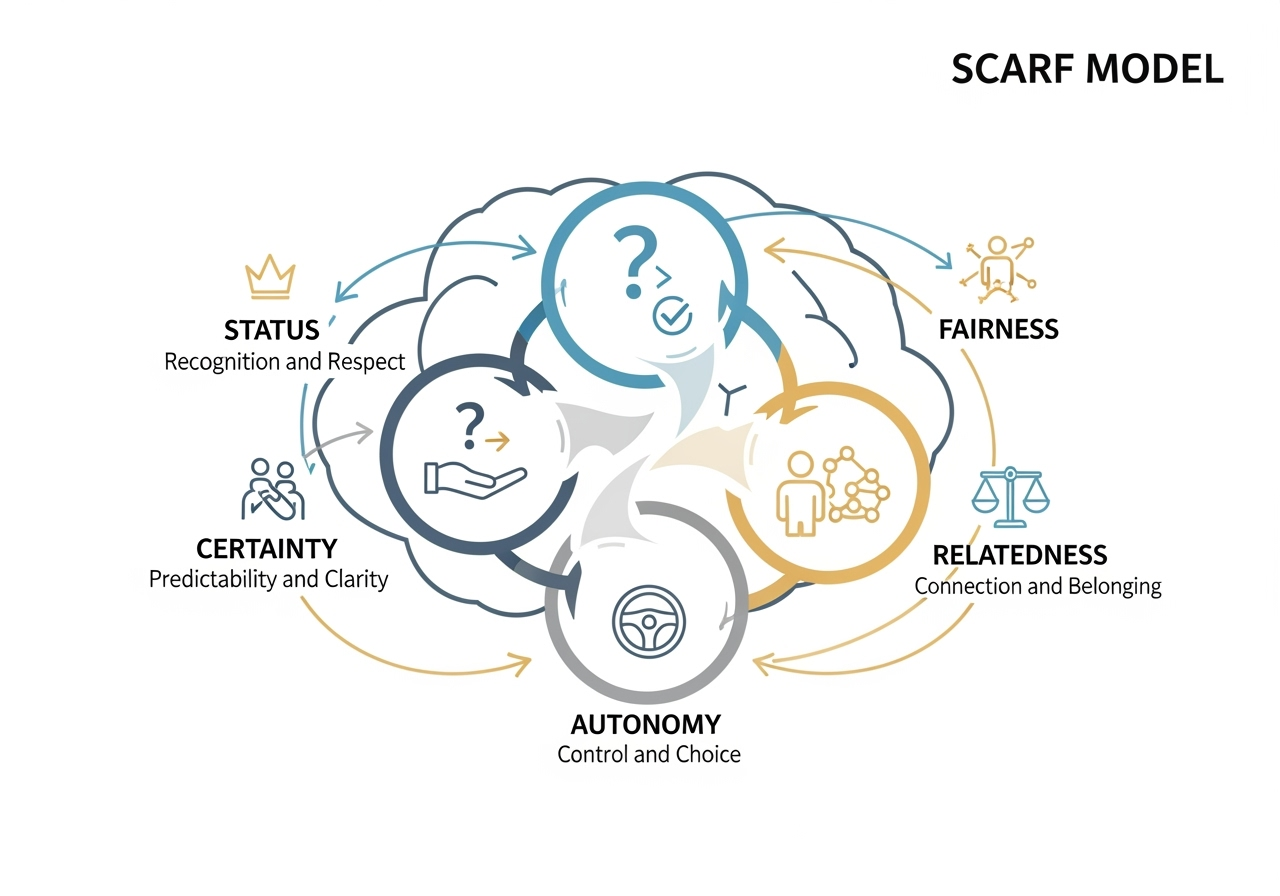
SCARF Model

In the complex world of leadership and team dynamics, understanding what truly drives human behaviour is the key to unlocking extraordinary performance. Enter the SCARF Model—a groundbreaking framework developed by neuroscientist Dr. David Rock that reveals the five fundamental domains our brains constantly monitor for threats and rewards.