From Intention to Influence: How Purposeful Messaging Creates Real Impact

mountains in the background, compass in the foreground with sun light being shone on the compass to provide direction.

Purpose does not create impact simply because it exists. It creates impact when leaders communicate it clearly, consistently, and credibly. Teams do not align around vague intention. They align around messages they can understand, trust, and apply.

This is why Purposeful Messaging is such a critical leadership competency. It helps leaders translate values into language, stories, and standards that people can remember and act on. As John C. Maxwell said, “People buy into the leader before they buy into the vision.” Credibility shapes whether purpose lands at all.
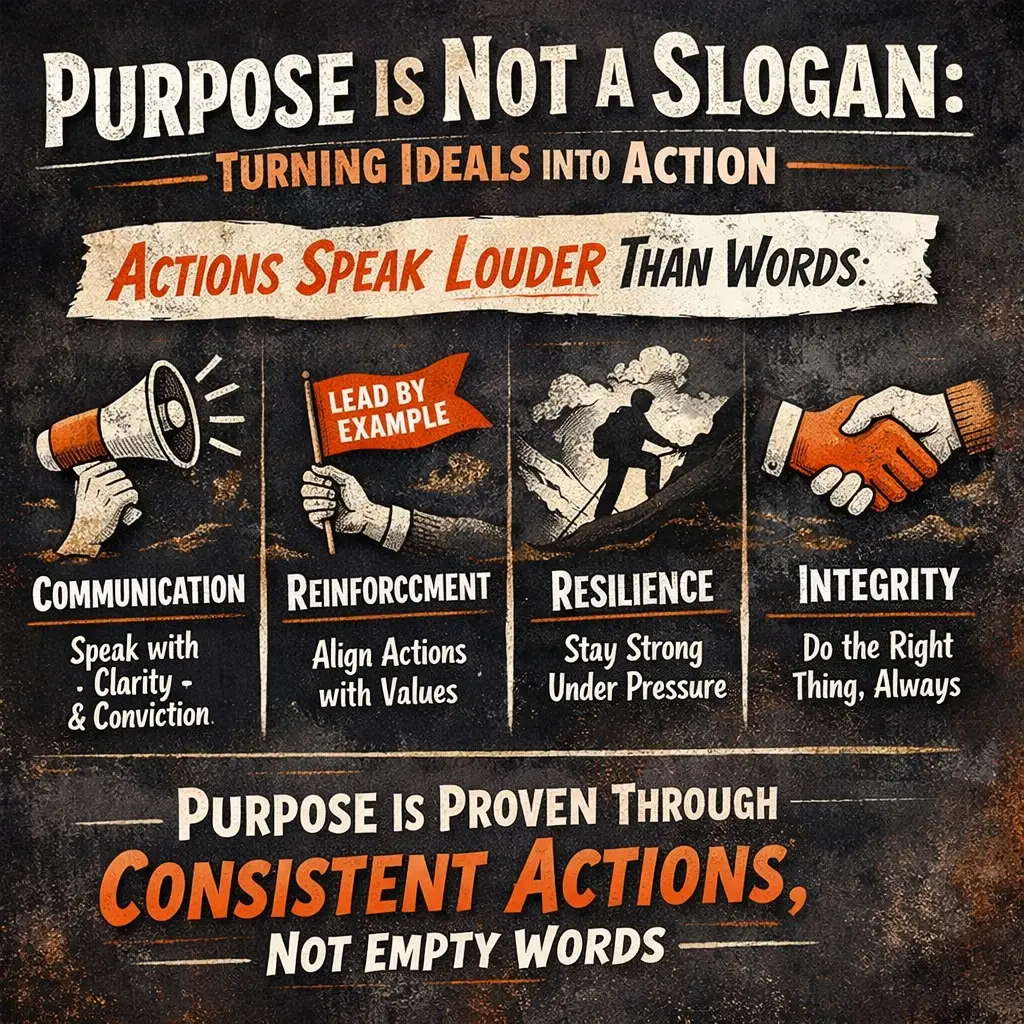

Purpose Is Not a Slogan: How Leaders Turn Values Into Daily Action

Purpose is easy to admire when it is framed well, printed beautifully, and repeated often. It is much harder to live.

In many organizations, purpose is treated like a positioning statement: something designed to inspire, unify, or differentiate. But leadership exposes whether purpose is truly operational or merely aspirational. Teams do not judge purpose by the elegance of its language. They judge it by the consistency of leadership behavior.

Change-Ready Teams Start With Change-Ready Leaders

People working on a F1 Race car in a pit stop.

Change does not fail because leaders forgot to send the memo. It fails because people experience uncertainty faster than they absorb strategy.

Organizations often invest heavily in change plans, communication cascades, and rollout tools. Those matter. But teams do not become resilient because change is well announced. They become resilient when leaders shape how change feels day to day—through their presence, behaviour, and decisions.

If a leader becomes reactive, vague, or overly controlling under pressure, the team feels it immediately. If a leader models steadiness, empathy, accountability, and adaptability, the team feels that too. Change-ready teams start with change-ready leaders.

Reading the Room — Developing Social Awareness as a Leader

read the room - 2 heads communicating with wire

Ever walked into a meeting and felt the tension before anyone spoke? Or sensed the energy shift the moment a decision landed? That’s not “soft stuff.” That’s leadership signal.

Social awareness is the skill of noticing what’s happening between people—tone, pace, body language, silence, status, stress—and responding in a way that builds trust and momentum. And neuroscience helps explain why some leaders seem to “read the room” effortlessly.

The Energy Audit: Identifying What Drains and Fuels Your Team

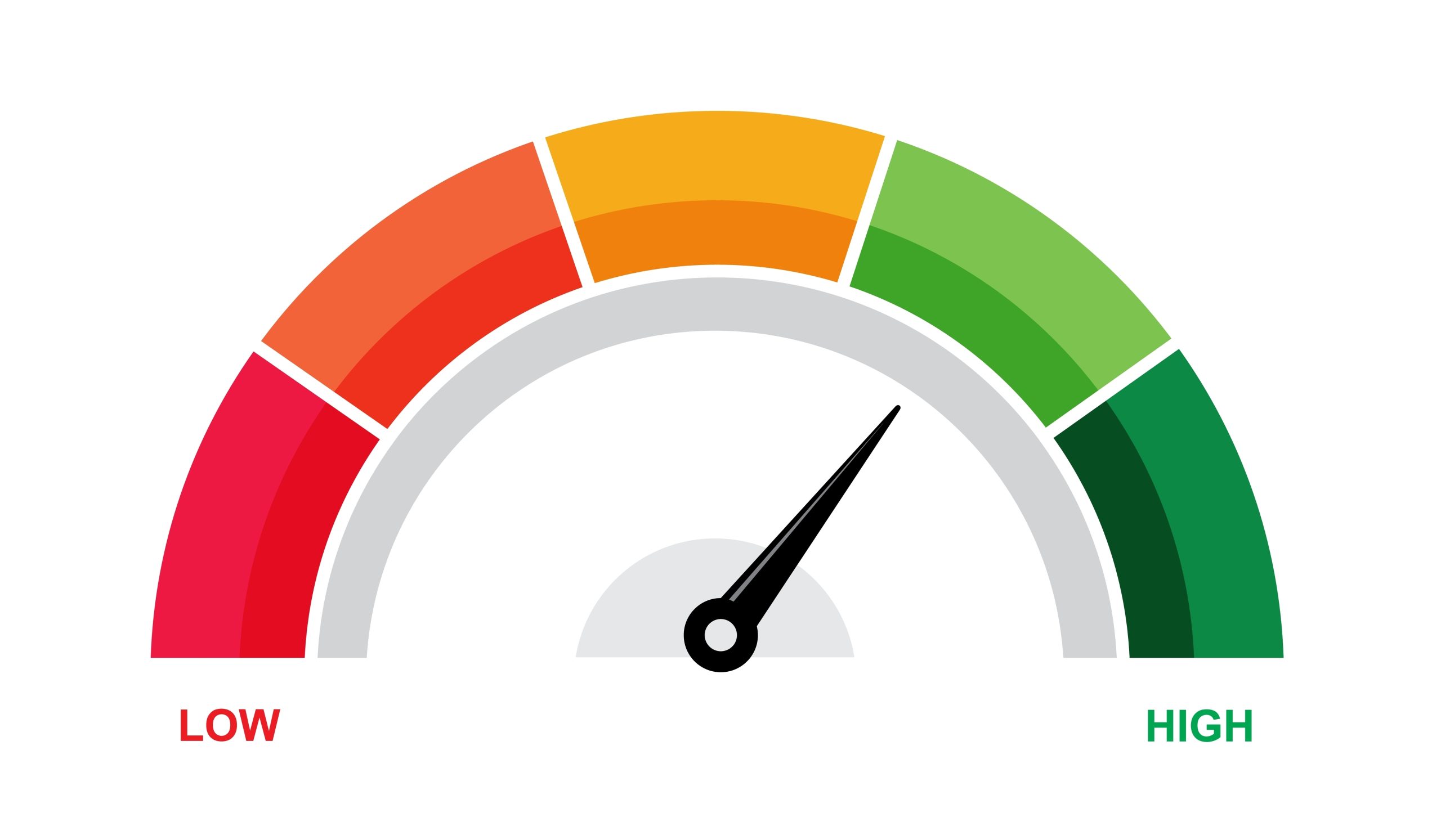
IMLP - Energy Power Meter

Sustainable high performance isn’t just about skills and strategy—it’s about energy. In today’s fast-paced work environments, understanding what drains and fuels your team is essential for long-term success. Enter the Energy Audit: a powerful tool for leaders committed to building resilient, purpose-driven teams.