Leading Through Constant Change Without Burning Out Your Team
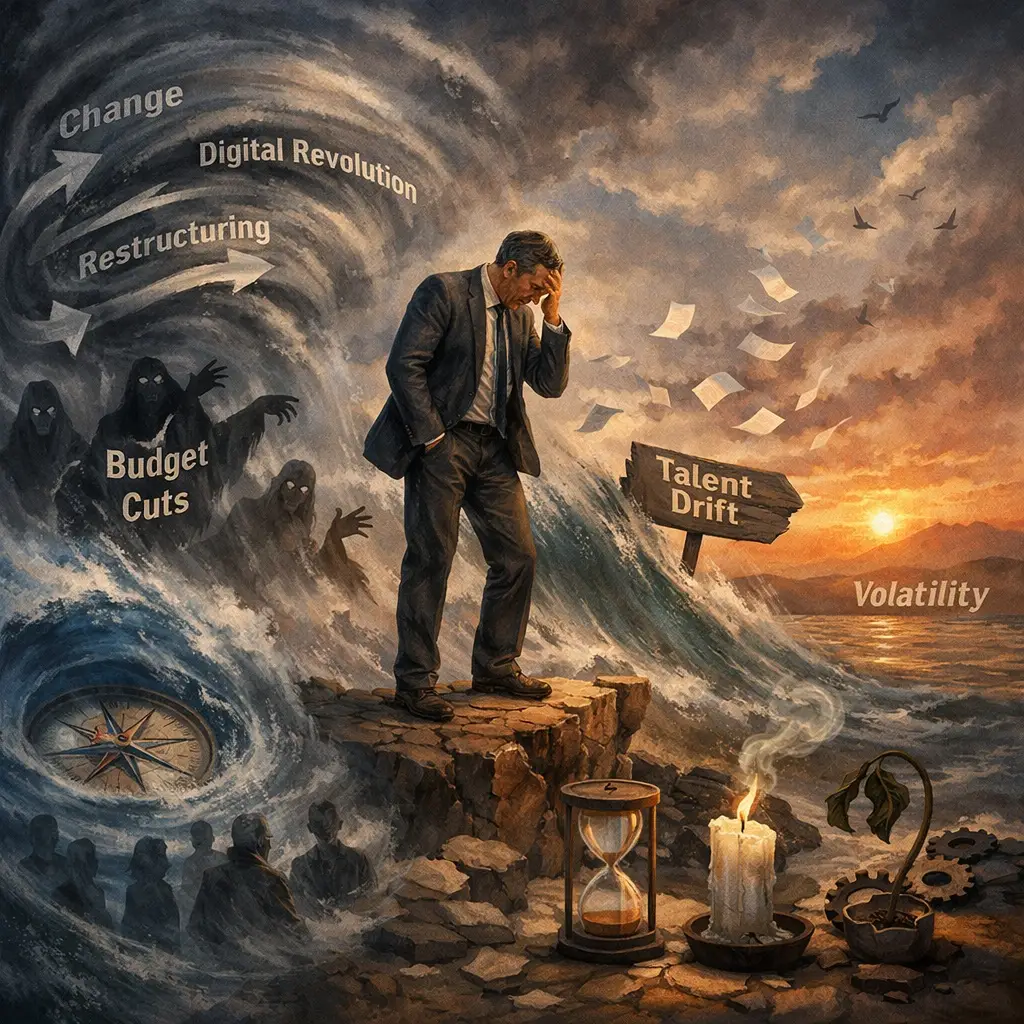
Learn how leaders can reduce change fatigue, strengthen psychological safety, and build resilient, high-performing teams without driving burnout.
Learn how leaders can reduce change fatigue, strengthen psychological safety, and build resilient, high-performing teams without driving burnout.

Strategic decisions don’t fail because leaders lack intelligence—they fail because emotion goes unmanaged.
Emotional Intelligence (EI) is the ability to recognize what’s happening inside you and around you, regulate your response, and choose a path that people can actually execute.
This article reframes EI as a strategic capability—and uses three IronMind models exactly as designed: P.R.E.S.E.N.C.E., R.E.F.L.E.C.T., and C.O.A.C.H.

Influence isn’t a title. It’s a relationship skill.
In today’s fast-moving, high-stakes workplaces, the leaders who drive results aren’t always the loudest voice in the room—they’re the ones who can read the room, regulate their own reactions, and build trust quickly enough to move people from hesitation to commitment.
That’s why Emotional Intelligence (EQ) is the foundation of influence and persuasion. When EQ is strong, relationship management becomes less about “winning” and more about creating the conditions where people want to move with you.

Ever walked into a meeting and felt the tension before anyone spoke? Or sensed the energy shift the moment a decision landed? That’s not “soft stuff.” That’s leadership signal.
Social awareness is the skill of noticing what’s happening between people—tone, pace, body language, silence, status, stress—and responding in a way that builds trust and momentum. And neuroscience helps explain why some leaders seem to “read the room” effortlessly.

Leadership isn’t tested when things are calm. It’s tested in the moment your inbox explodes, a meeting goes sideways, or a tough conversation lands harder than expected. In those moments, your leadership isn’t just about what you know—it’s about what you can regulate.

Most leaders don’t struggle because they lack skill. They struggle because they don’t see themselves clearly in the moments that matter.
That’s the quiet power of self-awareness: it’s the internal mirror that shows you what’s really happening—before your emotions hijack the room, before your tone lands wrong, before you make a decision you have to clean up later.
And neuroscience backs it up: self-awareness isn’t a “soft skill.” It’s the foundation your brain needs to build emotional intelligence that actually holds under pressure.
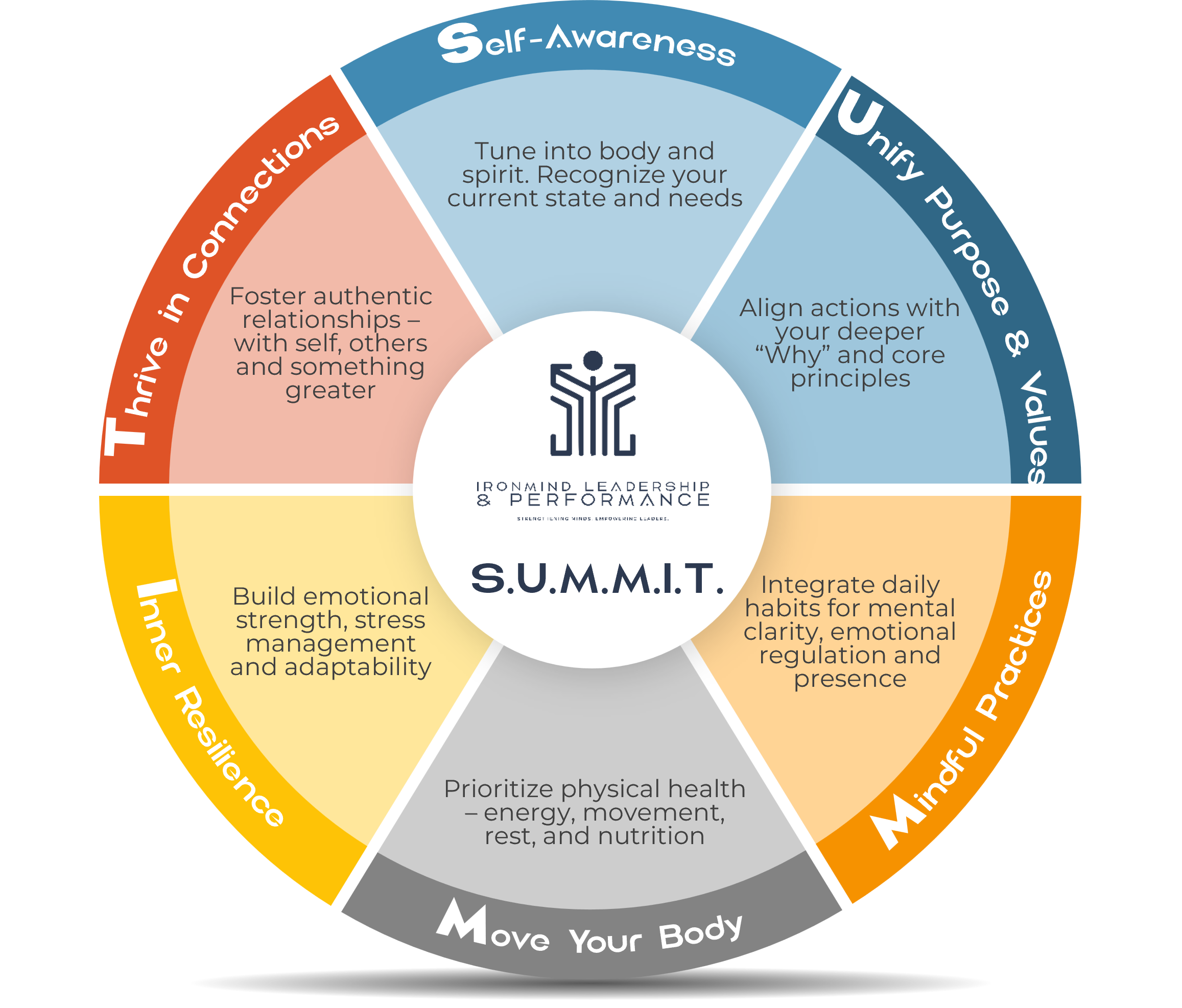
Ever feel like you’re running in place, repeating the same patterns? A 90-day reset is your opportunity to break the cycle and build real momentum. Neuroscience research shows that it takes consistent action—about 90 days—to rewire neural pathways and make new habits automatic. It’s not about perfection, but about progress.
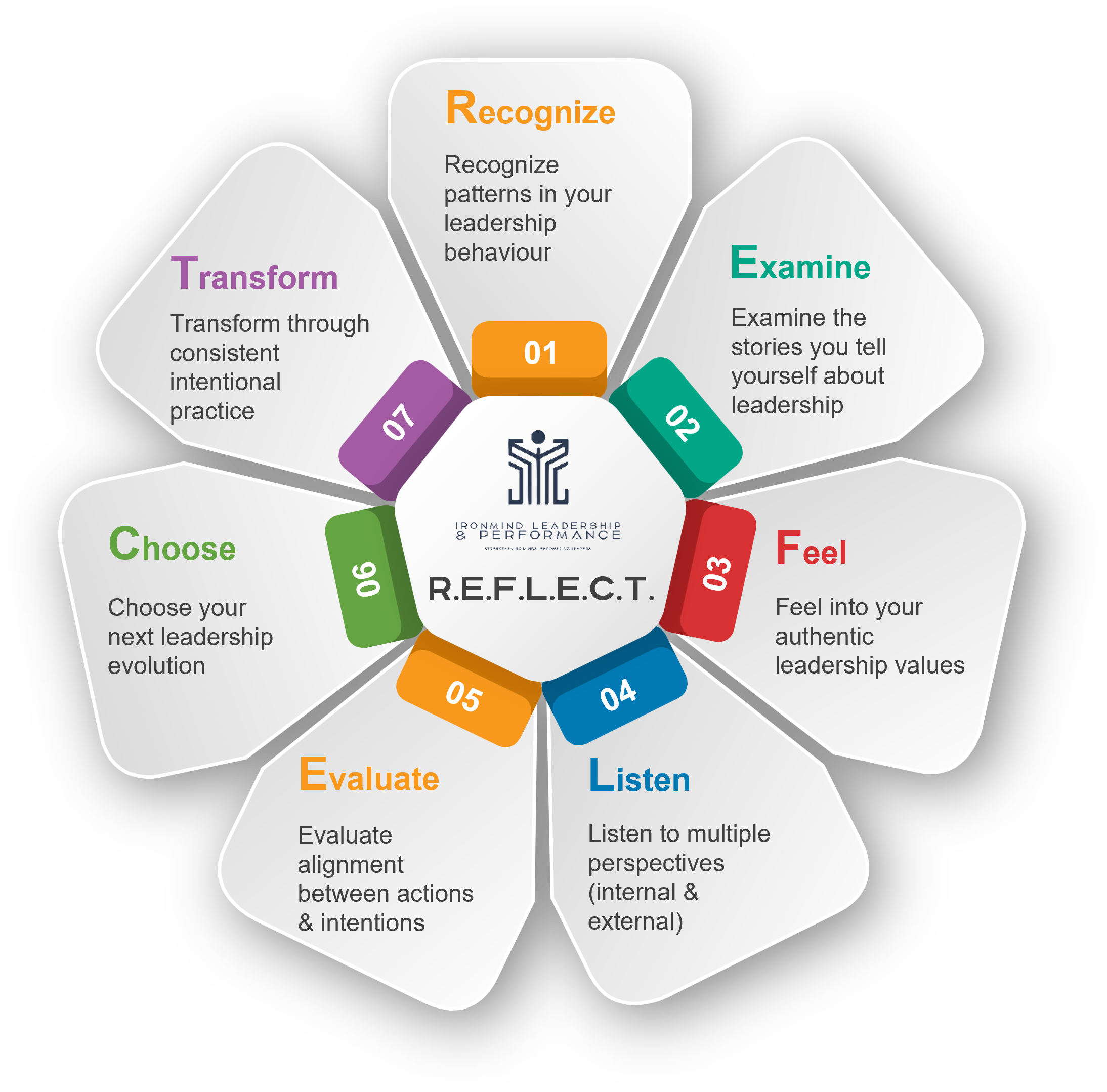
“The most successful leaders share one thing: deep self-awareness. They know their triggers, their blind spots, their impact on others.
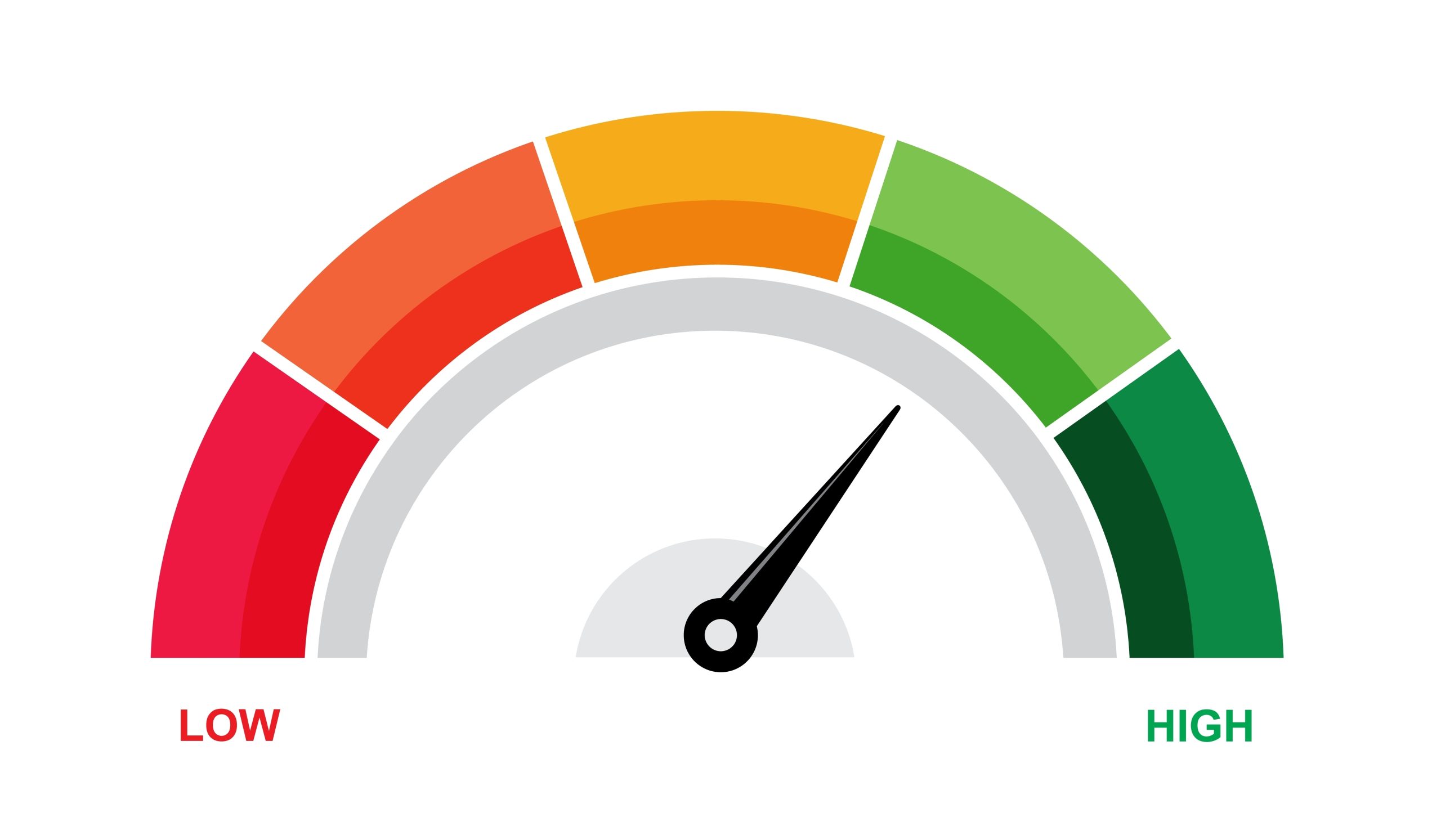
Sustainable high performance isn’t just about skills and strategy—it’s about energy. In today’s fast-paced work environments, understanding what drains and fuels your team is essential for long-term success. Enter the Energy Audit: a powerful tool for leaders committed to building resilient, purpose-driven teams.

You know the one: polished in meetings, composed in crisis, articulate in presentations, generous in recognition. That version of you is visible, measurable, and often rewarded. But there’s another identity that matters far more—the leader you are when no one is watching.