The New Resilience Advantage: Why Adaptability Is a Leadership Differentiator in 2026

n 2026, disruption is not a passing phase. It is the leadership environment. AI is reshaping roles, hybrid work continues to test connection and accountability, economic pressure is forcing faster decisions, and employee expectations are shifting in real time. In this climate, resilience is no longer just a personal strength. It is a business capability that helps leaders and organizations respond faster, recover better, and grow through disruption.

Change-Ready Teams Start With Change-Ready Leaders

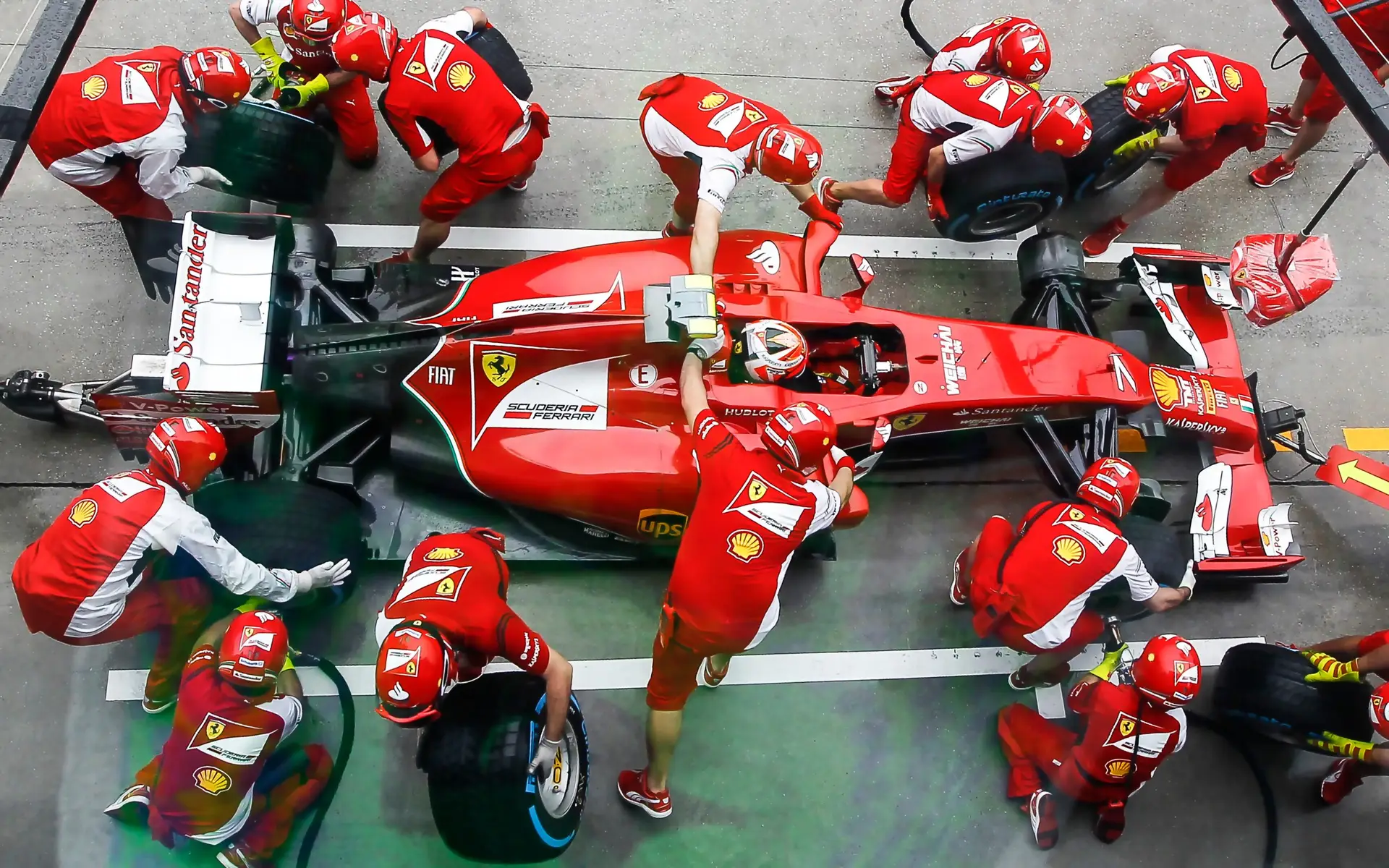
People working on a F1 Race car in a pit stop.

Change does not fail because leaders forgot to send the memo. It fails because people experience uncertainty faster than they absorb strategy.

Organizations often invest heavily in change plans, communication cascades, and rollout tools. Those matter. But teams do not become resilient because change is well announced. They become resilient when leaders shape how change feels day to day—through their presence, behaviour, and decisions.

If a leader becomes reactive, vague, or overly controlling under pressure, the team feels it immediately. If a leader models steadiness, empathy, accountability, and adaptability, the team feels that too. Change-ready teams start with change-ready leaders.

Resilience Is Not Toughness: What Modern Leaders Need to Unlearn

Lighthouse on a beach, with waves coming, demonstrating resilience of nature, and guiding to safety

For too long, resilience has been confused with stoicism, overwork, and the ability to keep going no matter the cost. That definition may look admirable on the surface, but in practice it often produces exhausted leaders, strained teams, and cultures where stress is hidden instead of addressed.

Modern leadership requires a different standard. Real resilience is not about suppressing emotion or pretending pressure has no impact. It is the ability to recover, adapt, and lead with intention under changing conditions. In IronMind terms, resilience is not performance endurance alone. It is the disciplined integration of self-awareness, regulation, reflection, and values-based action.

Top 10: Strategic Thinking Moves Emerging Leaders Can Start This Week

The number 10 in a red circle.

Strategic thinking isn’t a title you earn—it’s a habit you build. And for emerging leaders, that habit can feel out of reach when your days are packed with meetings, urgent requests, and the pressure to “just execute.” But here’s the truth: the leaders who accelerate fastest aren’t the busiest—they’re the ones who consistently step back, spot patterns, make smart trade-offs, and align people around what matters most. In this Mindset Monday, you’ll get 10 practical strategic thinking moves you can start using immediately—each aligned to the 9-Competency Leadership Model—plus a simple 90-day plan to turn better thinking into measurable impact.

Resilience in Strategic Uncertainty

Resilience & Strategic Uncertainty

Strategic uncertainty has a way of testing leaders in the most human places: patience, clarity, and confidence. One week the path feels obvious; the next, it’s fog, friction, and competing priorities.

With St. Patrick’s Day around the corner, here’s a light-touch reminder worth borrowing: you don’t need a four-leaf clover to lead well through uncertainty—you need a repeatable way to steady yourself, align your people, and keep moving.

Emotional Intelligence in Strategic Decisions

2 men playing chess, one is calm the other is frustrated

Strategic decisions don’t fail because leaders lack intelligence—they fail because emotion goes unmanaged.

Emotional Intelligence (EI) is the ability to recognize what’s happening inside you and around you, regulate your response, and choose a path that people can actually execute.

This article reframes EI as a strategic capability—and uses three IronMind models exactly as designed: P.R.E.S.E.N.C.E., R.E.F.L.E.C.T., and C.O.A.C.H.

Strategic Vision: Know Your North Star

Person looking up at the north star at night

Strategy isn’t a slide deck—it’s a discipline. And for leaders, it starts with a simple question: What are we actually aiming at? Your North Star is the clearest expression of that aim: the purpose, outcomes, and values that guide decisions when the path gets messy.

In March, as we lean into strategic thinking, this is your reminder: before you optimize, you must orient.